
12V vs 24V LED Power Supply: How to Choose
12V and 24V both run LED strips. The difference shows up as heat in the cable — and it decides how far you can run before the far end of the strip goes dim. Here is the math, and the simple rule that follows from it.
What the voltage actually changes
For the same wattage, a 24V system draws half the current of a 12V system:
How far can you run?
Rule of thumb for constant-voltage LED strip: keep voltage drop under 5% (0.6V on 12V, 1.2V on 24V). Realistic single-run limits, fed from one end:
| Load | Cable | Max run @ 12V | Max run @ 24V |
|---|---|---|---|
| 24 W (2 A / 1 A) | 1.5 mm² (16 AWG) | ~8 m | ~16 m |
| 48 W (4 A / 2 A) | 2.5 mm² (14 AWG) | ~8 m | ~16 m |
| 96 W (8 A / 4 A) | 4 mm² (12 AWG) | ~7 m | ~14 m |
| 192 W (16 A / 8 A) | 6 mm² (10 AWG) | ~5 m | ~10 m |
Longer run than that? Feed the strip from both ends, or split it into parallel runs from the same driver. Both tricks work on 12V, but 24V simply removes the problem in most rooms.
When 12V is still the right answer
- Short runs under 5 m — under-cabinet strips, display cases, shelf lighting, small signs.
- RV, marine and solar setups — the whole system already runs on 12V batteries.
- Replacement jobs — the existing strips and controls are 12V; changing voltage means rewiring everything.
- Very small loads — a 15W adapter for a single display is simpler and cheaper in 12V.
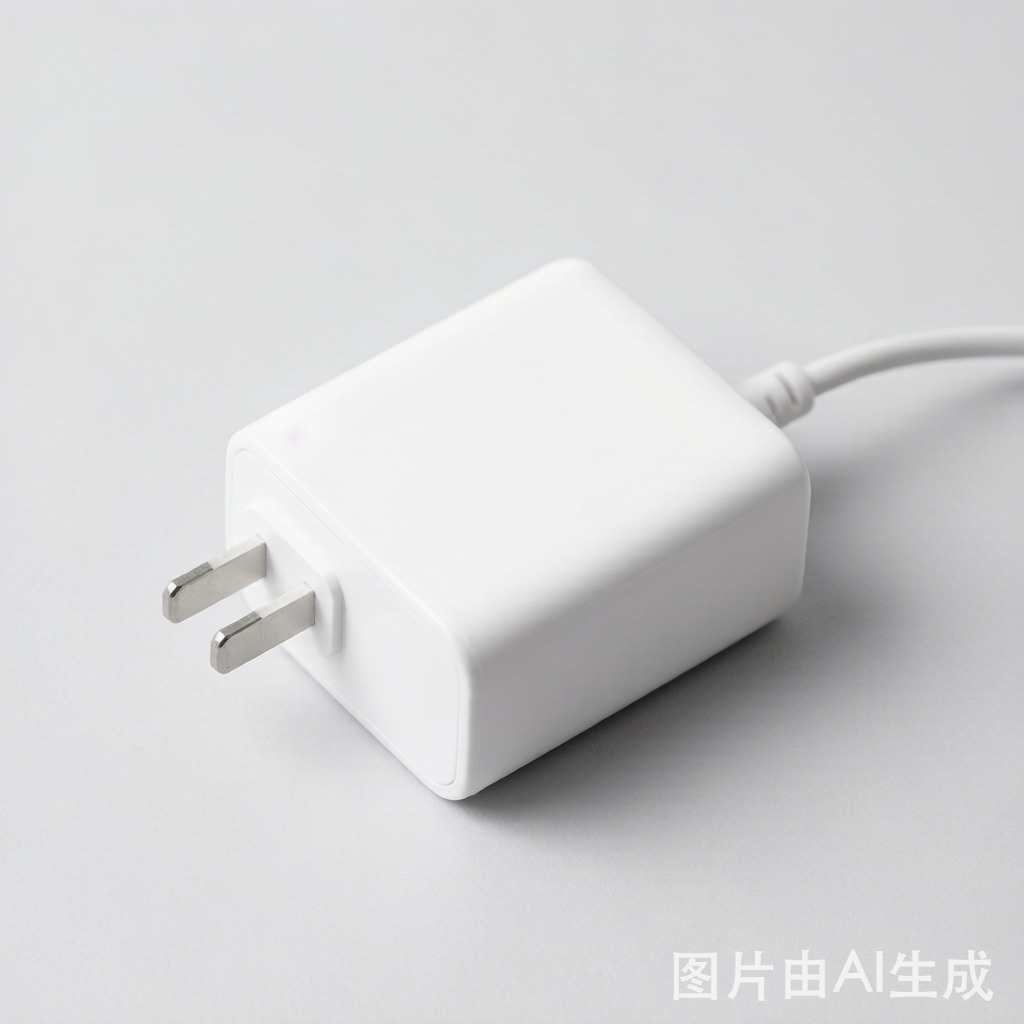
Our LED adapters, 5-200W cover these jobs in 12V, 24V, 36V and 48V from one universal 100-240V input, so a single SKU ships to any market.
When 24V wins
- Runs over 5 m, or any run you cannot re-feed from both ends.
- Commercial ceilings and linear runs — one 24V driver can feed a continuous line that would need three 12V feeds.
- Anything above ~100W — the current at 12V gets large enough that cable cost and connector heating start to matter.
- Architectural work where visible brightness taper at the far end is unacceptable.
Two mistakes we see constantly
- Mixing voltages on one driver. A 12V strip on a 24V supply dies instantly. Check the strip label before you energise anything.
- Sizing cable for the driver, not the run. The driver rating is not the issue — distance is. Use the table above, then go one size thicker if the cable is buried or bundled with mains.
Constant voltage vs constant current
Both 12V and 24V strips are constant voltage: the driver holds the voltage, the strip's resistors set the current. High-power fixtures (downlights, floodlights) are usually constant current — specified in mA, not volts. If your fixture says 350 mA or 700 mA, you need a constant-current driver, and the 12V/24V question does not apply. Tell us the fixture spec and we will match it.
Quick decision
Runs under 5 m, battery systems, or a like-for-like replacement → 12V.
Runs over 5 m, commercial ceilings, or loads above 100W → 24V.
Every CHUGAO driver is CE and RoHS certified, runs a 48-hour full-load burn-in, and ships with a 3-year warranty. Minimum order is 50 pcs, and we build 12V/24V/36V/48V versions to your spec under OEM/ODM.
Need the right voltage for your run length?
Tell us the load, the cable run and the strip type. We will confirm 12V or 24V and the model that keeps every metre at full brightness.
Get a voltage recommendation