
LED Driver Dimming Explained: 0-10V, PWM, DALI & TRIAC
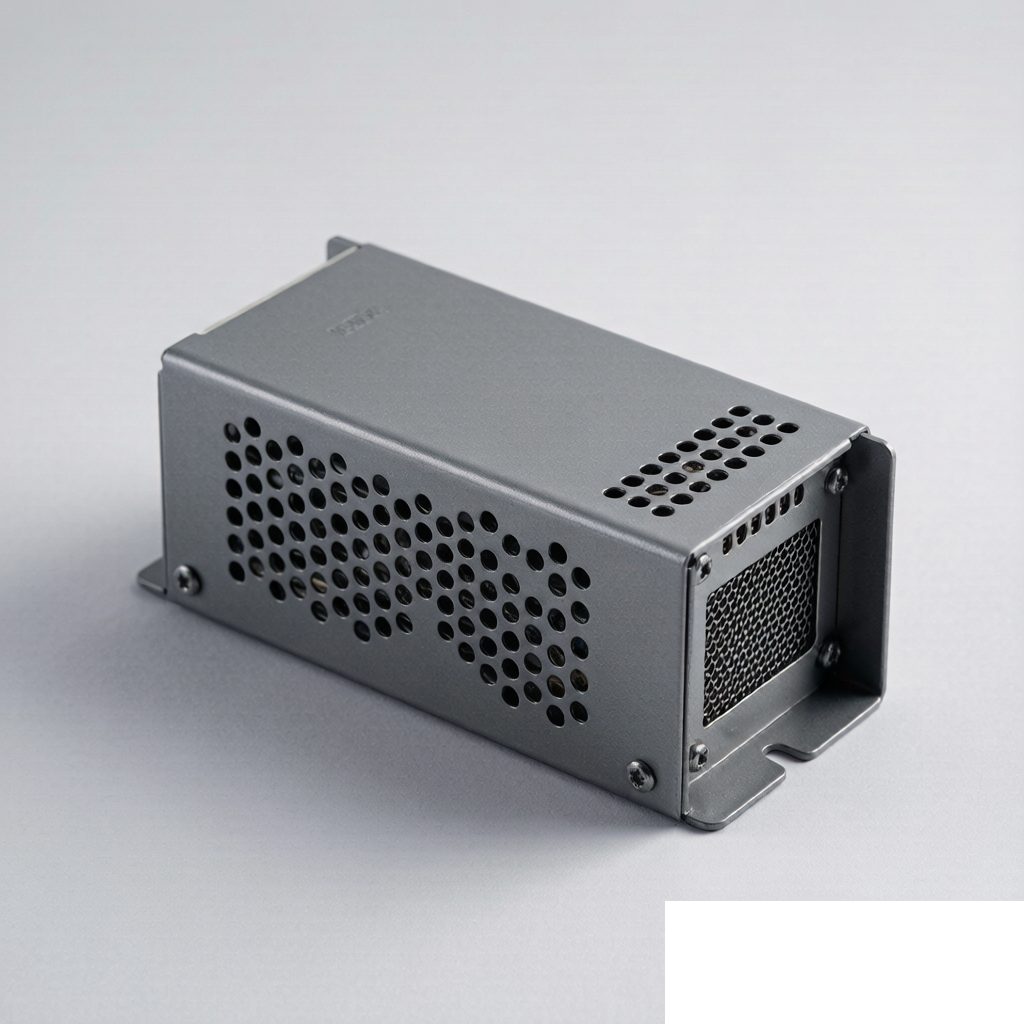
Dimming an LED installation should be a setting, not a science project. In practice it goes wrong because four different dimming standards share the same wires and none of them are interchangeable. Here is what each one is, and which to specify so your controls actually dim.
The four standards, plainly
| Standard | How it works | Best for |
|---|---|---|
| 0-10V | A separate low-voltage control pair sets 100% at 10V down to ~10% at 0V | Commercial ceilings, new builds |
| PWM | Pulse-width modulation on the DC side; very smooth, no colour shift | Signage, camera-sensitive sites |
| DALI | Digital addressable bus; each fixture addressed and logged | Large smart buildings |
| TRIAC | Phase-cut, rides the existing mains dimmer (leading/trailing edge) | Retrofit, existing wall dimmers |
0-10V: the commercial default
0-10V is the most common spec for new commercial fit-outs because it is simple and cheap to wire — two extra low-voltage conductors, no data. The catch is that it dims to about 10%, not fully off, unless you add a mains relay for "off". If your project needs true blackout, say so in the spec.
PWM: smoothest, best for signage
PWM dimming chops the DC output at a high frequency. Because it never changes the current level, there is no colour temperature shift as you dim — important for signage and any camera or broadcast environment where flicker is unacceptable. PWM lives on the DC side, so it pairs with a constant-voltage driver.
DALI: addressable building control
DALI puts every fixture on a two-wire digital bus with its own address, so a building management system can dim zones, log faults, and scene-recall. It costs more in driver and commissioning, but for a 20-floor office it pays back in labour. We supply DALI versions on indoor drivers from 100W upward.
TRIAC: retrofit without rewiring
TRIAC (phase-cut) dimming lets an LED driver ride an existing mains wall dimmer, so a retrofit does not pull new control cable. The trap: not every LED driver is TRIAC-compatible, and cheap dimmers buzz or drop out at low end. Use a trailing-edge (ELV) dimmer and a driver explicitly rated for it.
Three mistakes we see
- Buying a "dimmable" strip and a non-dimmable driver. The driver does the dimming, not the strip.
- Mixing TRIAC dimmer with a 0-10V driver. They are not the same system; the result is flicker or no dim.
- Forgetting the control cable. 0-10V and DALI need their extra pair pulled at install time, not afterwards.
What we need from you
Send the dimmer or control-system model, the load in watts, the output voltage, and whether the site is new-build or retrofit. We will confirm the dimming standard and the right model — 0-10V, PWM, DALI or TRIAC.
Need a driver that actually dims?
Tell us the dimmer or control system, the load and voltage. We will confirm the dimming standard and the right model.
Confirm dimming type